
Reviewed · PROVENCE DAY TRIPS FROM NICE
Nice: Full-Day Côtes de Provence Wine Tour
A great wine day starts with the right drive. This full-day Côtes de Provence outing from Nice mixes three winery visits, big tastings, and countryside time without feeling rushed. If you’re lucky enough to be guided by Lara, Laura, or Sandra, the day gets even better because they turn wine into an easy, human conversation.
I especially like the small group size (max 8) and the relaxed pace. You get private-style visits, guided tastings in a friendly atmosphere, and time to actually compare styles of Provence wine instead of just collecting glasses.
The main thing to consider is the timing: it’s a full day away from Nice, and lunch isn’t included, so you’ll need to bring cash or a card for your meal in the village stop.
In This Review
- Key highlights that make this tour worth your time
- How the day flows from Nice to Provence
- The morning wineries: tastings with real context
- Cru Classé impact: why that stop changes everything
- Lunch in a small Provençal village: use the break well
- The afternoon winery: finding your reds and aromatic whites
- Small-group comfort and transport that actually help
- What you’ll taste (and how to make it count)
- Value for the price: why $194 can be a smart move
- Who this tour fits best (and who might want something else)
- Practical tips to make your day smoother
- Should you book this Côtes de Provence wine tour?
- FAQ
- FAQ
- What is the duration of the tour?
- How many wineries do I visit?
- Where do I meet the guide in Nice?
- Is lunch included?
- What languages are offered on the tour?
- What’s the group size?
- Is the tour suitable for children?
- What do I need to bring?
- What’s the minimum drinking age?
Key highlights that make this tour worth your time
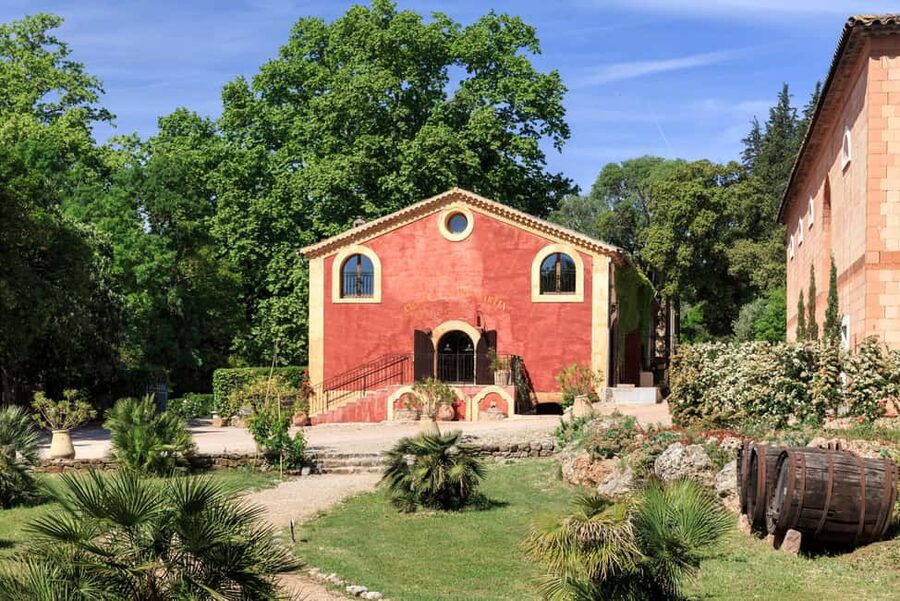
- Three winery visits with guided tasting time (morning, lunch break, then an afternoon estate)
- Cru Classé Côtes de Provence stop for a serious look at how the region ranks its wines
- Rosé-focused tasting plus reds and aromatic whites so you can find what really clicks for your palate
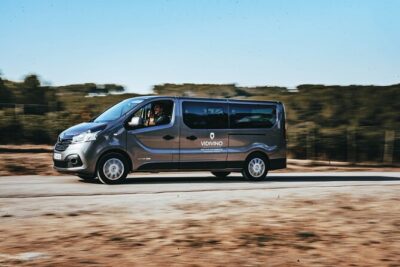
- Small-group comfort in an air-conditioned minivan, praised for being clean and efficient
- A midday break in a peaceful village, giving you a real moment to reset away from the tasting room
Provence for a day, back in Nice by dinner
How the day flows from Nice to Provence
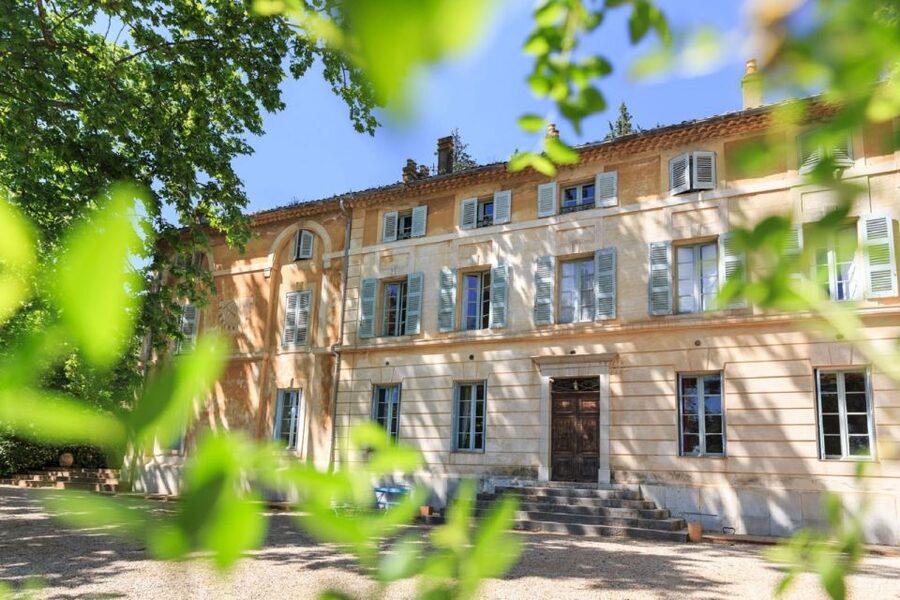
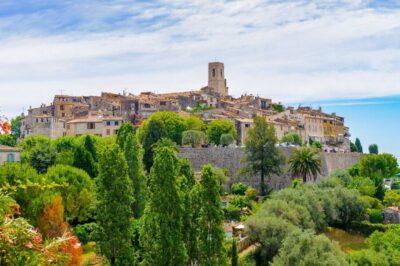
This tour runs about 8 hours, starting from in front of Hôtel Nice Beau Rivage (24 Rue Saint-François de Paule, 06300 Nice). You meet your English-speaking guide, then head out into the Provençal countryside in a comfortable, air-conditioned minivan. The ride matters here. Good transport keeps the day calm, especially when you’re spending the hours learning and tasting.
The schedule is structured but not rigid. You’ll do two winery visits in the morning, then you’ll get free time for lunch in a small Provence village. After that, there’s a third winery in the afternoon, and then you wind back to Nice with about an hour of travel time.
In practice, this pacing is ideal if you want more than a quick tasting. You get enough time in each place to learn how the winery thinks, not just how the wine tastes.
The morning wineries: tastings with real context
Your first stop sets the tone. Expect a guided tour plus a tasting (about 75 minutes). You’re not just tasting; you’re learning how the region’s conditions shape the flavors in the glass. Provence is famous for rosé, but the best tours explain why the style exists, including climate and growing factors that influence acidity, texture, and aromatics.
One neat detail from guides’ approach: they often lead you to notice differences without using wine “insider speak” as the only language. You’ll likely hear practical prompts like whether a wine feels right for hot weather, how it works with food, and what you’d look for next time when you order. That turns tastings into a skill you can use later.
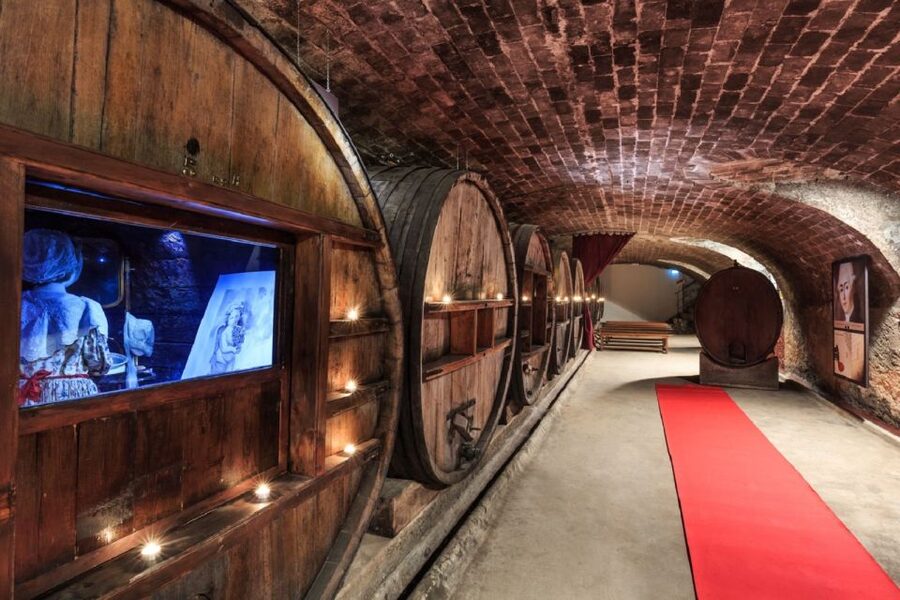
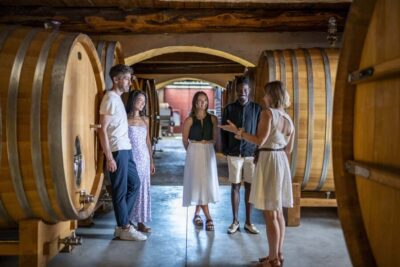
Also, one estate visit may include a special feature like an underground cellar. If that happens on your day, it’s a memorable contrast to the bright countryside outside, and it makes the winemaking process feel more tangible.
Cru Classé impact: why that stop changes everything
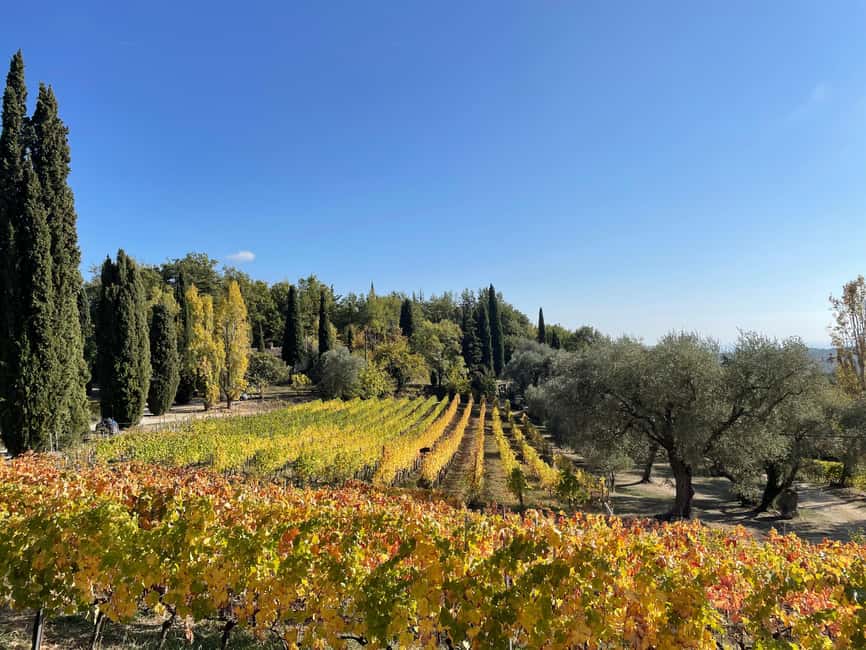
Midday isn’t the only moment that makes the day feel special. The tour includes visits to quality estates, including a Cru Classé Côtes de Provence property. That matters because it’s not just a scenic stop. It’s a chance to see how the region’s best producers aim for consistency, balance, and identity year after year.
At this stage, you’ll taste enough rosé to start recognizing patterns. Then you’ll begin comparing how the estate approaches power and structure in reds and aromatic expression in whites. Many people come for rosé, then leave surprised by the reds and whites when the explanations connect the dots.
A big plus: the guide keeps it interactive. When you share what you like, the tasting often gets personalized. Instead of receiving a lecture, you get help shaping your preferences. That’s why this tour feels educational without becoming academic.
Lunch in a small Provençal village: use the break well
After the second winery, you’ll get about 75 minutes of free time for lunch in a peaceful village. Lunch not being included is actually a good setup for many visitors, because you can choose what fits your appetite and budget. If you want something light, you can do that. If you’re starving, you have time to eat like a local.
This village pause also prevents “tasting burnout.” After two tasting rooms, your palate needs a reset, not more noise. Use the time to walk a little, grab water, and recharge. You’ll also be able to take photos in daylight when the countryside and stone streets look especially good.
Practical note: bring sunscreen and water. The tour provides guidance on what to pack, and that’s smart here because you’ll be outside between stops.
The afternoon winery: finding your reds and aromatic whites
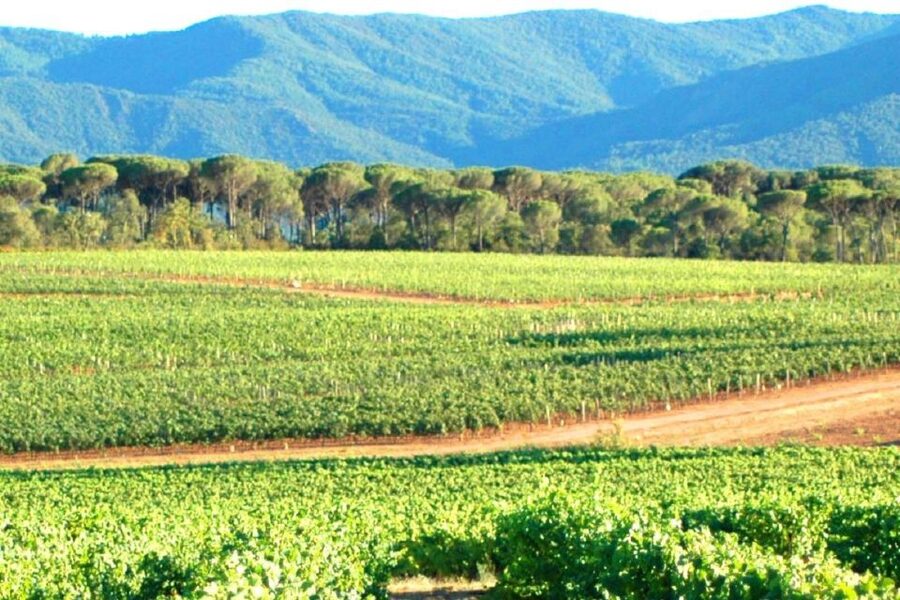
The third winery visit is about guided tour and tasting again (around 75 minutes). By the afternoon, you’ve built a working sense of what you enjoy. That means the last tasting often becomes the most fun part, because you’re no longer trying to remember everything. You’re comparing your day’s impressions.
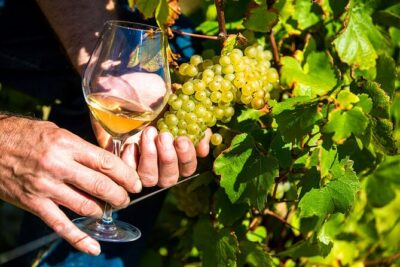
This is where the tour earns its reputation for variety. You’ll taste rosés, plus powerful reds and aromatic whites. Provence whites can be unexpectedly fragrant when producers focus on freshness and balance. Reds can range from smooth and fruit-forward to more structured and bold, especially depending on the cuvée you try.
One reason I think this tour works for beginners: the guide helps you translate what you’re tasting into simple choices. Instead of chasing technical vocabulary, you’re guided to think in terms like enjoyment, pairing with food, and how the wine would feel in real life. That makes it easier to buy bottles without second-guessing.
Small-group comfort and transport that actually help
This tour is limited to 8 participants, which makes the whole day feel personal instead of crowded. You’ll have space in the tasting rooms, and questions are more likely to get answered directly. The tour also uses an air-conditioned minivan, which matters in summer and still helps on warm spring days.
The transport quality is repeatedly praised, with 95% of reviewers giving it a perfect score. That shows up as a practical benefit: smoother timing, cleaner vehicle, and a day that stays comfortable even when the drive takes longer than you expected.
Another detail worth mentioning: the tour operates in all weather conditions, so you should dress for sun and potential rain. Comfortable shoes are not optional here. You’ll likely walk around winery areas and village streets between stops.
Bellet pours and other glasses nearby
- Nice: Provence Village Tour with Wine and Produce Tasting
★ 4.6 · 445 reviews - Nice: Sunset Boat Tour with Wine and Local Snacks
★ 4.8 · 430 reviews - Nice: Food and Wine Old Town Guided Walking Tour
★ 4.9 · 411 reviews - Provence Wine Tour – Small Group Tour from Nice
★ 5.0 · 301 reviews - From Nice: Cannes, Saint Paul de Vence and Wine Tasting
★ 4.5 · 244 reviews
What you’ll taste (and how to make it count)
You can expect a guided flight that focuses on Provence styles, especially rosé. Many days include around 15 wines total across the three visits, though the exact lineup can vary by estate and pouring decisions. Either way, you’re tasting enough to learn what each winery emphasizes.
Here’s how to get the most value from tastings:
- Pick one rosé you truly enjoy, then taste again and compare what’s different about it (aroma, finish, mouthfeel).
- For reds, focus on whether you like the balance: do you want something lighter and more drinkable, or more structure?
- For aromatic whites, pay attention to freshness and intensity. This is where Provence can be surprisingly expressive.
Don’t worry if you’re new to wine. The best part of this day is that the guide helps you make sense of your preferences, even if you don’t think in terms like tannins or acidity right away.
Value for the price: why $194 can be a smart move
At $194 per person for an 8-hour day, the key value is what’s included. You’re paying for more than transportation. The price covers transport in an air-conditioned minivan, an English-speaking expert wine guide, and visit plus tasting fees at each winery.
If you tried to replicate this on your own, you’d likely spend money on separate tastings, timing challenges, and transport. With this tour, your guide handles scheduling, pacing, and winery coordination. You also get learning time built into the day, which is hard to pay for separately without ending up at a basic group tasting that moves too fast.
The best way to judge value is simple: if you want more than one winery and you want guidance, this price starts to feel reasonable fast—especially for a full day that blends countryside, tastings, and a village break.
Who this tour fits best (and who might want something else)
This tour is a strong match if you:
- want an easy way to see three wineries without planning the driving
- care about Provence rosé but also want to compare reds and aromatic whites
- like small groups and a guide who makes wine feel approachable
It’s not a fit for everyone. It’s not suitable for children under 10, and the day includes alcohol tasting, so the minimum drinking age is 18. Also, if you dislike full-day tours, the length may feel like too much.
But if you’re visiting Nice for a few days and want a day that feels like Provence (not just the beach), this tour hits the right tone.
Practical tips to make your day smoother
You’ll enjoy this more if you pack smart. The tour guidance is very on point:
- Wear comfortable shoes for winery grounds and the village stop
- Bring sunglasses, sun hat, and sunscreen since you’ll be out and about
- Carry a reusable water bottle so you stay comfortable during transitions
- Plan for lunch on your own since it’s not included
If you’re sensitive to wine volume, pace yourself. You don’t have to force through every pour at full speed. You can sip, pause, and ask for guidance on which glass matches what you like.
Finally, if you’re taking extra luggage, share quantity and size with the operator. Lost or stolen items aren’t insured in that case, so keep essentials with you.
Should you book this Côtes de Provence wine tour?
I think you should book if you want a balanced day: real winery time, serious rosé focus, and enough variety to discover something new beyond what you already know. The biggest strength is the combination of small-group comfort, guided tastings with clear explanations, and an itinerary that includes a proper break in a village instead of turning lunch into another stop.
You might skip it if you prefer flexible, self-guided winery hopping, or if a full day away from Nice sounds too intense. But for most couples and solo wine lovers, this is the kind of outing that makes the region feel understandable and fun.
FAQ
FAQ
What is the duration of the tour?
The tour lasts 8 hours.
How many wineries do I visit?
You visit three wineries, with tastings and guided tours at each stop.
Where do I meet the guide in Nice?
The meeting point is in front of Hôtel Nice Beau Rivage at 24 Rue Saint-François de Paule, 06300 Nice.
Is lunch included?
No. Lunch and snacks are not included. You’ll have free time for lunch during the village stop.
What languages are offered on the tour?
The tour guide is English-speaking, and the tour can also operate with French as needed.
What’s the group size?
It’s a small group limited to up to 8 participants.
Is the tour suitable for children?
It’s not suitable for children under 10.
What do I need to bring?
Bring comfortable shoes, sunglasses, a sun hat, sunscreen, and a reusable water bottle.
What’s the minimum drinking age?
The minimum drinking age is 18 years.
More Tour Reviews in Nice
- From Nice: French Riviera in One Day★ 4.5 · 6,719 reviews
- From Nice: Eze, Monaco, & Monte-Carlo Half-Day Trip★ 4.5 · 5,642 reviews
- Nice: 1-Hour Sightseeing Cruise to Villefranche Bay★ 4.6 · 2,747 reviews
- Nice: Gorges of Verdon and Fields of Lavender Tour★ 4.5 · 2,707 reviews
- Nice: 1 or 2-Day Hop-On Hop-Off Bus Tour★ 4.3 · 2,663 reviews
Poured in Nice
- Nice Small-Group Walking Food Tour with Local Specialties & Wine Tasting★ 4.5 · 558 reviews
- Nice: Provence Village Tour with Wine and Produce Tasting★ 4.6 · 445 reviews
- Nice: Sunset Boat Tour with Wine and Local Snacks★ 4.8 · 430 reviews
- Nice: Food and Wine Old Town Guided Walking Tour★ 4.9 · 411 reviews
- Provence Wine Tour – Small Group Tour from Nice★ 5.0 · 301 reviews
Provence and Back by Dark
- Provence Countryside Small Group Day Trip with Grasse Perfumery Visit from Nice★ 4.5 · 613 reviews
- Nice: Provence Village Tour with Wine and Produce Tasting★ 4.6 · 445 reviews
- From Nice: Provence and its Medieval Villages Full-Day Tour★ 4.8 · 352 reviews
- Provence Wine Tour – Small Group Tour from Nice★ 5.0 · 301 reviews
- From Nice: Provence Wine Full-Day Tour★ 4.8 · 180 reviews
Newly Reviewed Along the Riviera

Provence Day Trips from Nice, compared.
 ★ 4.5Provence Countryside Small Group Day Trip with Grasse Perfumery Visit from NiceFrom $135613 reviews
 ★ 4.6Provence Village Tour with Wine and Produce TastingFrom $117445 reviews
 ★ 4.8Provence and its Medieval Villages Full-Day TourFrom $112352 reviews
 ★ 5.0Provence Wine Tour – Small Group Tour from NiceFrom $187301 reviews
 ★ 4.8Provence Wine Full-Day TourFrom $211180 reviews
 ★ 3.5Provence Organic Wine Tasting Half Day Tour from NiceFrom $72165 reviews
 ★ 4.8Provence Countryside Day TripFrom $132155 reviews
 ★ 5.0Côtes de Provence Small Group Day Trip with Winery Visits & Tastings from NiceFrom $199114 reviews
Browse the lists this tour appears in