
Reviewed · ALPS & MOUNTAIN TRAIN DAYS
From Nice: Historic Train Ride & Alps Villages
Skip the Riviera rat race for alpine rail time. The historic Chemin de Fer de Provence train pulls you from Nice into the French Alps, and your guide stitches the scenery into a real story with onboard commentary. I love the historic train ride and the two perched villages that feel worlds away from the beach.
This is not a sit-and-snack day. Plan for a walking day: the citadel hike in the first village can take 30–45 minutes with about 200 meters (600 feet) of height difference, and the second village can include sporty hiking from roughly 5 to 12 km.
In This Review
- Key things that make this tour work
- From Nice to the Alps by Chemin de Fer de Provence
- A medieval village day: baroque cathedral, fortifications, and a citadel climb
- Lunch in a real village setting, not a rushed stop
- The second village: sandstone maze streets and troglodyte homes
- Optional hikes through chestnut forest, caves, and giant sandstone blocks
- What your guide does for the day (Cyril, Carmela, and others)
- Price and value: why $200 can make sense here
- Seasonal timing: summer sporty options and winter shorter versions
- Who should book this, and who should skip it
- Should you book Nice Historic Train Ride & Alps Villages?
- FAQ
- What time does the tour meet in Nice?
- How long is the tour?
- Is lunch included?
- How much walking should I plan for?
- What should I bring?
- What languages are the guides available in?
- Is the tour suitable for people with mobility impairments?
Key things that make this tour work
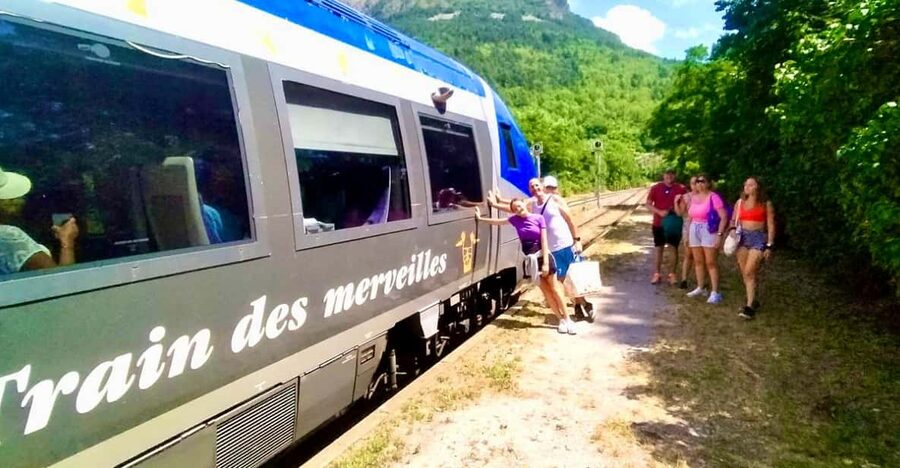
- Chemin de Fer de Provence is the main event, not just transport—you get commentary on the train too.
- A real citadel climb—expect a long walk through gates toward a perched royal stronghold.
- Sandstone streets and troglodyte homes—the second village is built in a very different way than most French towns.
- Mystic forest hiking is optional but spectacular—chestnut trees, caves, and giant sandstone blocks.
- Small groups (limited to 15)—your guide can manage pace, questions, and timing.
Into the Alps behind the city
From Nice to the Alps by Chemin de Fer de Provence
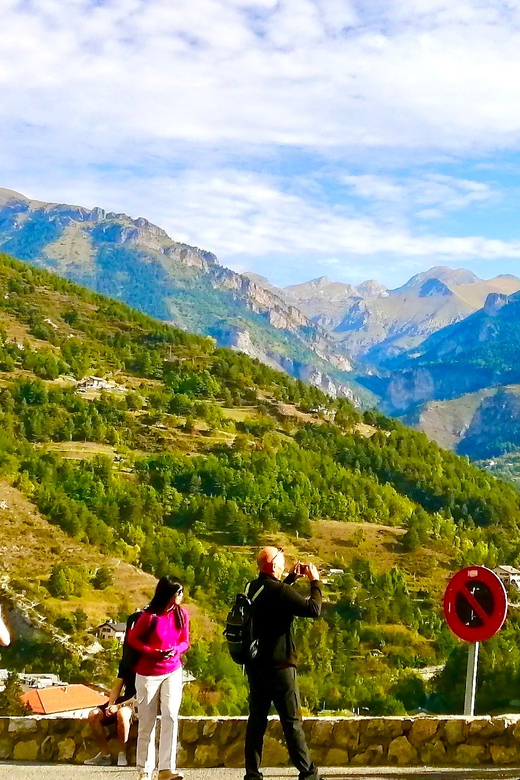
The day starts early at Chemin de Fer de Provence. You’ll meet at the big blue gate of the Gare des Chemins de Fer de Provence, just a couple minutes from the Tramway stop called Libération, in the Place Charles de Gaulle area near la Halle de la Gare du Sud.
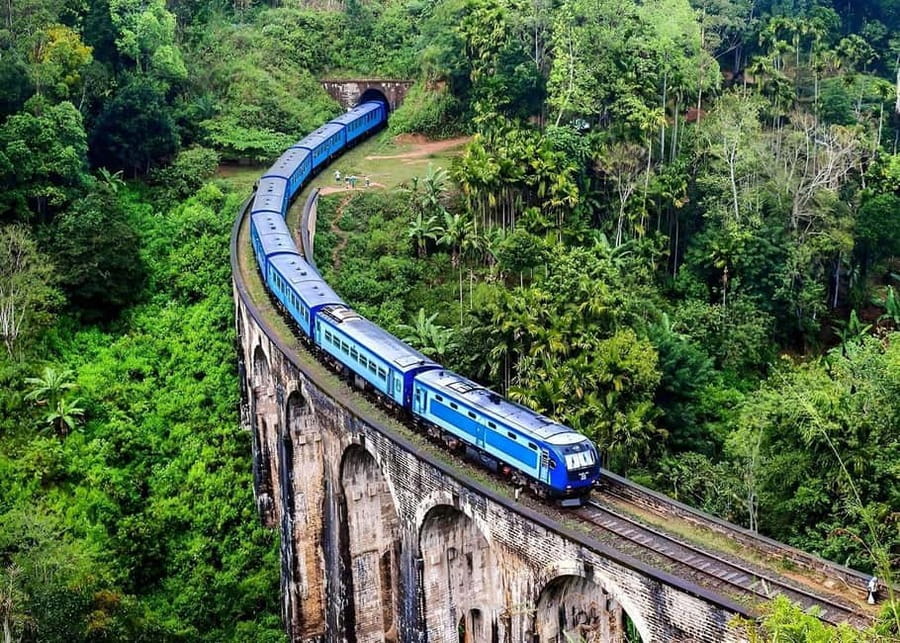
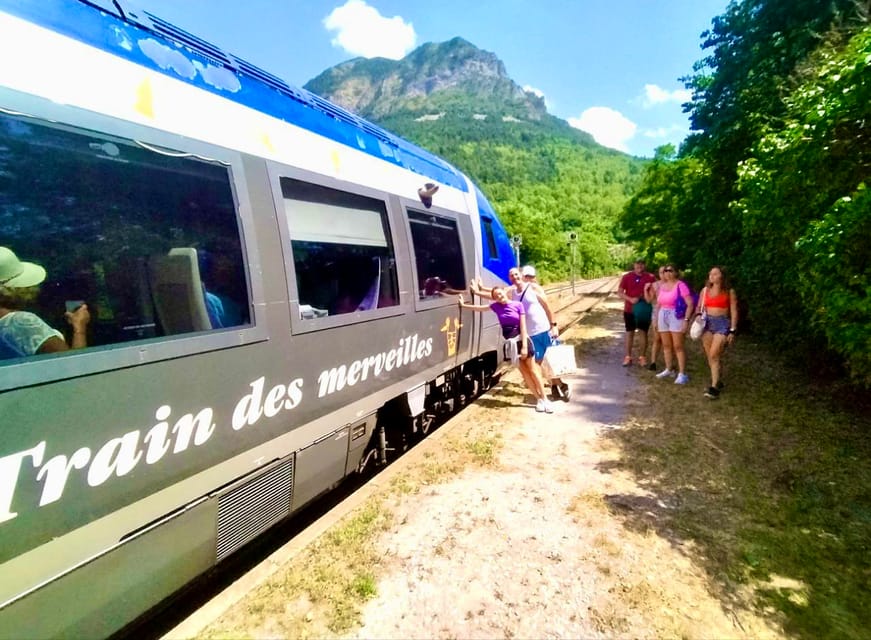
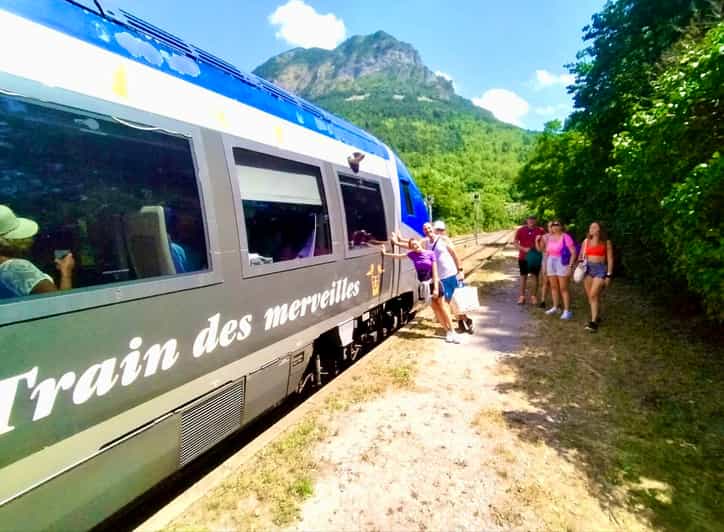
Then it’s into the train for about 1.5 hours. This isn’t a vague scenic drive: you get guided commentary during the ride, and your guide usually cues you on where to look for the best views. Expect viaducts, tunnels, and that slow-motion feeling as the Alps rise up around you.
Why I like this format (and why you’ll probably enjoy it too): it saves energy. Instead of renting a car, wrestling parking, and trying to time everything yourself, you spend your legs on the places that matter—villages and hikes—while the train does the heavy lifting.
A medieval village day: baroque cathedral, fortifications, and a citadel climb
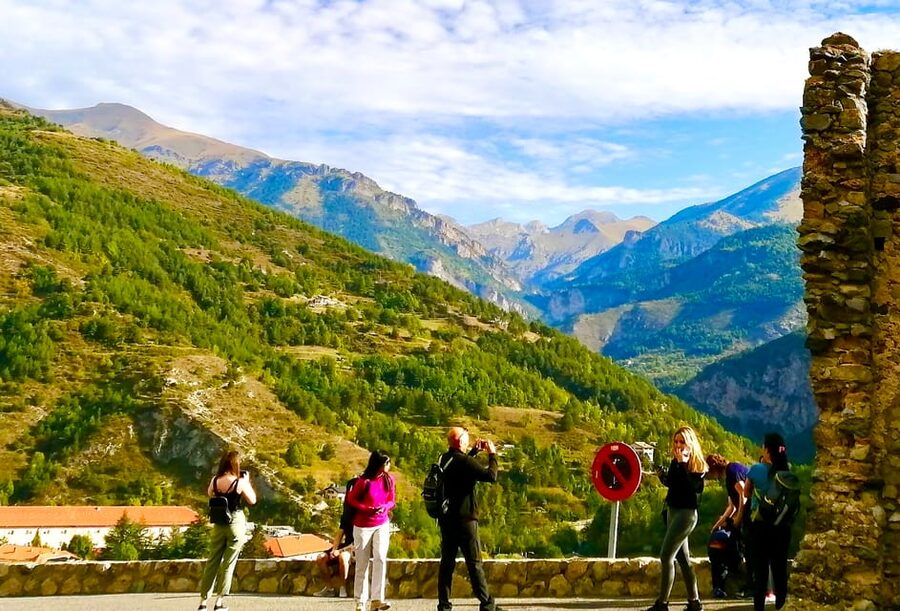
Your first stop is the kind of village people brag about in France. It’s classified among the nicest villages of France, and the vibe is pure medieval: massive fortifications, drawbridges, and a Baroque cathedral that anchors the whole town.
What to expect on the ground is a guided walk plus plenty of time to take in architecture and details. The big activity here is the climb toward a perched castle and viewpoints from the towers. You’ll walk through the gates for about 30–45 minutes to reach that special castle area.
You should be ready for elevation changes—this portion includes roughly 200 meters (600 feet) of height difference. If you want the views, you’ll need comfortable shoes and a steady pace. If you’re not sure you can handle a climb like this, keep a flexible attitude: the tour is designed with walking breaks in mind, and your guide can help you keep the day enjoyable.
Lunch in a real village setting, not a rushed stop
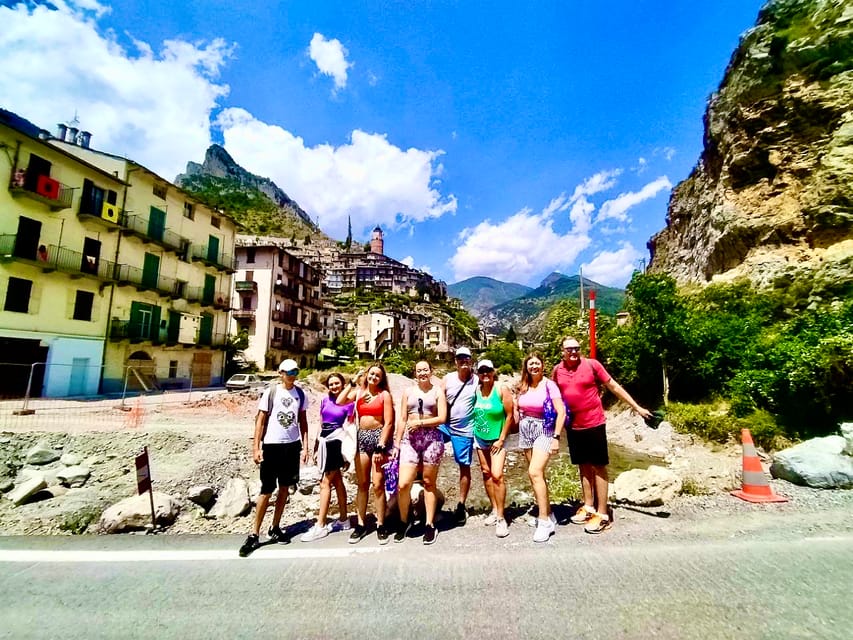
Lunch is built into the schedule for about 45 minutes in a typical local restaurant, or it can be a picnic depending on the option you select. The goal here is simple: you eat where locals eat, and you don’t spend the middle of the day hunting for something that’s open.
In practice, the food tends to be regional and straightforward—classic French meals if you’re in a restaurant, or a village-style picnic if that’s the option chosen. One group note said a picnic can include a large bread roll filled with Niçoise salad, with a vegetarian alternative in that specific case.
A practical tip: if you have dietary needs, plan to communicate them in advance. Several participants shared that guides worked with the restaurant to accommodate needs when possible. If you need a specific kind of meal, don’t wait until the last minute.
The second village: sandstone maze streets and troglodyte homes
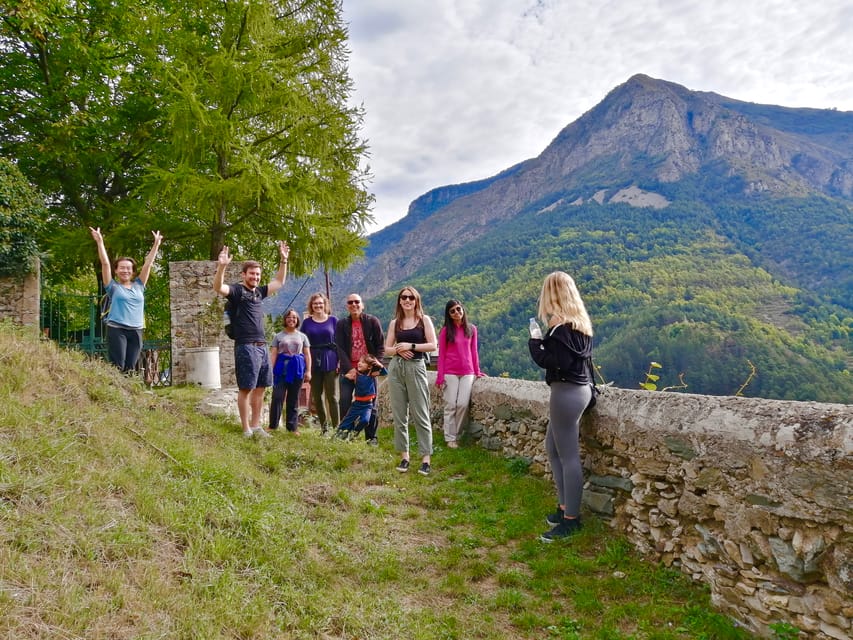
After lunch, you take another short train hop (about 30 minutes) to the next area. This second village has a completely different feel from the first. Think tiny streets laid out like a maze, built on sandstone blocks, with troglodyte houses—homes carved into the rock or integrated into it.
The guided portion helps you understand what you’re seeing. Without that context, it’s easy to walk through and miss the why. With the guidance, you start noticing patterns: how the village fits the geology, how older building methods shaped daily life, and why the streets feel so compact.
From there, you get time to wander. If hiking isn’t your thing that day, you can stick to shorter walks around the village, plus you may have free time for local tastings (often with wine or pastries). Some groups also mention playing bocces/pétanque with locals during the free time, which is a fun, low-pressure way to interact.
Optional hikes through chestnut forest, caves, and giant sandstone blocks
This is where the tour turns into a workout in the best possible way. The second village area can include an optional hike described as a mystic forest route: centuries-old chestnut trees, mysterious caves, and dramatic sandstone giant blocks.
If you choose the sporty day option, you’re looking at a minimum of about 5 km and up to about 12 km for the long hike option. The longer hike is recommended if you love geology, exploring by foot, or simply getting out of town and into the woods.
What I’d tell you to plan for:
- Bring comfortable shoes with grip. Sandstone paths can get slick.
- Bring water and snacks if you know you burn energy quickly.
- Dress for weather changes. Even in shoulder seasons, Alps air can feel sharp.
One small summer bonus (only if arranged): you can add a refreshing dip in the river with a towel and swimsuit, and the itinerary may adapt if you tell the team in advance.
What your guide does for the day (Cyril, Carmela, and others)
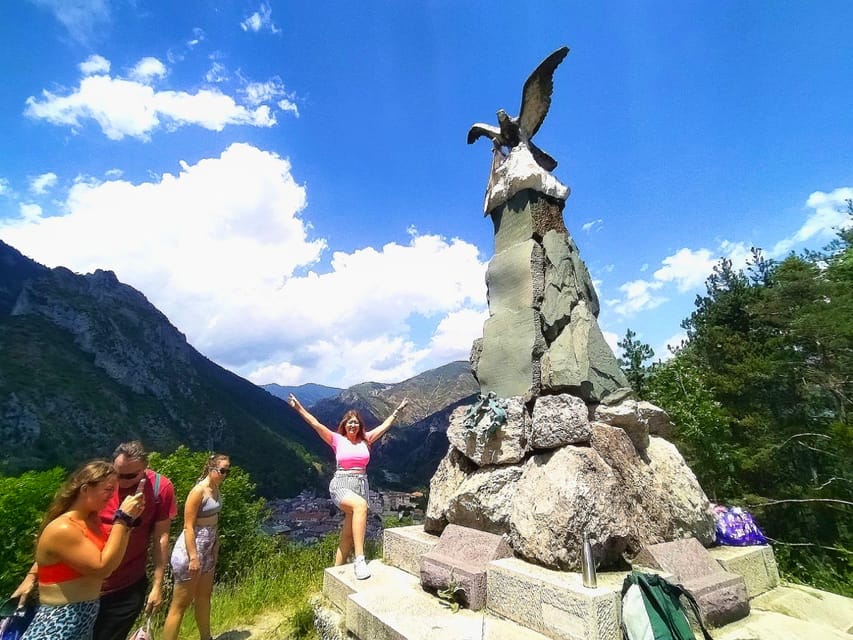
This tour lives and dies by the guide. The day is structured with trains, two villages, monuments, and hikes, but the real connection comes from interpretation—why a cathedral matters, what fortifications were built to protect, and how the geology shaped where people settled.
You might be guided by Cyril, Carmela, Matt, William, or Alex, among others. Many participants singled out guides like Cyril and Carmela for being friendly, funny, and always on top of the pacing. They also explain sights onboard the train and inside monuments, which means you’re not just looking—you’re reading the place as you go.
There’s also a reality check: transport can be messy. In one case where a train was canceled unexpectedly, the guide (Cyril) handled the situation calmly by arranging a bus and getting the group back to Nice later than expected, but without letting the day collapse. That matters, because a tour like this only feels smooth when someone is actively managing the day.
Further back into the history of Nice
- From Nice: Historic Train Ride & Alps Villages
★ 4.8 · 312 reviews - Nice : Wine Tasting at a Historic Château in a Land Rover !
★ 4.9 · 156 reviews - Nice: Sunset & Wine Tasting in a historic Land Rover
★ 5.0 · 91 reviews - Nice: Exclusive Private Guided Tour of Historic Center
★ 4.5 · 13 reviews - All-Inclusive Culinary and History Tour of Old Nice with a Local
★ 4.0 · 5 reviews
Price and value: why $200 can make sense here
At about $200 per person for roughly 11 hours, you’re paying for more than train tickets. The price includes roundtrip train tickets, lunch (picnic or restaurant depending on the option), a professional guide, and commentary in multiple parts of the day.
Here’s the value logic for you:
- Time savings: the routing is set, and you’re not cobbling together bus schedules and village transfers.
- Navigation help: these villages aren’t designed for quick tourism. A guide helps you find the important angles fast.
- Higher quality day: small group size (limited to 15) makes it easier to handle walking pace, questions, and timing.
Two cost-related cautions:
- Breakfast isn’t included.
- There’s no hotel pickup, so you’ll need to get yourself to the meeting point early.
If you’re the type of person who enjoys being outside but also wants context (architecture, Baroque art, medieval fortifications, and the regional story), this price lines up with what it takes to make that happen.
Seasonal timing: summer sporty options and winter shorter versions
The tour runs with different timing depending on the season. In winter sessions (from November 6 to February 28), the format changes.
On Tuesday, Wednesday, Thursday, and Saturday in winter, it’s typically 1 village plus hiking, and you return to Nice around 4pm. On Sunday, it includes 2 villages and hiking with a later return around 6:15pm.
In summer hot season, there’s also the river dip possibility—again, only if you bring the right items and tell the team in advance so they can adjust.
So if you’re planning your visit to Nice and you want maximum village time, summer often gives you the fuller version. If you’re traveling in winter and prefer less pushing, the shorter format can still feel like a meaningful Alps day.
Who should book this, and who should skip it
Book this if you want:
- Real villages with medieval and Baroque elements, not just a quick photo stop.
- Alps views with a structured day plan.
- A mix of guided history and optional hiking you can choose based on your fitness.
You should also book it if you like “small-group travel energy.” A group limited to 15 makes the day feel personal, and guides can keep everyone connected without turning it into a herd.
Skip it (or at least think hard) if you have mobility limitations. The tour is not suitable for people with mobility impairments, and there are steep hills and steps—especially around the citadel climb.
Should you book Nice Historic Train Ride & Alps Villages?
If you’re visiting Nice and want one day that feels both active and deeply local, I think this is a strong choice. You get a historic train ride plus two very different villages, and the guide support turns architecture and geology into something you can actually understand.
I’d book it if you’re comfortable walking for hours and you like options—whether that’s a longer hike through chestnut forest and cave country or sticking to shorter walks and village time. If you’re hoping for an easy day with minimal effort, this won’t match that goal.
FAQ
What time does the tour meet in Nice?
You meet at 7:30am at the Gare des Chemins de Fer de Provence blue gate. Your return to Nice is typically around 8:57pm for the full day version.
How long is the tour?
The full experience runs about 11 hours.
Is lunch included?
Yes. Lunch is included either as a picnic or as a lunch at a local restaurant, depending on the option you select. Lunch time is about 45 minutes.
How much walking should I plan for?
The day involves a lot of walking. There’s a citadel climb that can include a 30–45 minute walk with about 200 meters of height difference, plus the second village has options that can range from shorter walks to sporty hikes from about 5 km up to about 12 km.
What should I bring?
Bring comfortable shoes. If you want to swim in the river during summer hot season, bring a towel and swimsuit, and let the team know in advance so they can adapt the plan.
What languages are the guides available in?
The live guide support is available in French, English, Italian, and Spanish.
Is the tour suitable for people with mobility impairments?
No. The tour is not suitable for people with mobility impairments.
Old Stones of the County of Nice
- Nice : Wine Tasting at a Historic Château in a Land Rover !★ 4.9 · 156 reviews
- Nice: Sunset & Wine Tasting in a historic Land Rover★ 5.0 · 91 reviews
- Nice: Theatrical History Tour – Secrets of the Castle Hill★ 5.0 · 21 reviews
- Nice: Exclusive Private Guided Tour of Historic Center★ 4.5 · 13 reviews
- All-Inclusive Culinary and History Tour of Old Nice with a Local★ 4.0 · 5 reviews
More Tour Reviews in Nice
- From Nice: French Riviera in One Day★ 4.5 · 6,719 reviews
- From Nice: Eze, Monaco, & Monte-Carlo Half-Day Trip★ 4.5 · 5,642 reviews
- Nice: 1-Hour Sightseeing Cruise to Villefranche Bay★ 4.6 · 2,747 reviews
- Nice: Gorges of Verdon and Fields of Lavender Tour★ 4.5 · 2,707 reviews
- Nice: 1 or 2-Day Hop-On Hop-Off Bus Tour★ 4.3 · 2,663 reviews
The Mountains Behind Nice
- Train Exp. through the Alps (Royal Baroque Route from Nice)★ 5.0 · 682 reviews
- Tour with the Mountain Train, Trek to Mystic Forest and Castle★ 5.0 · 101 reviews
- Alpine Mercantour Lakes hiking French Riviera★ 5.0 · 17 reviews
- Mountain Train Experience: Hike & Mystic Forest (From Nice)★ 4.2 · 12 reviews
Newly Reviewed Along the Riviera


Alps & Mountain Train Days, compared.
 ★ 5.0Train Exp. through the Alps (Royal Baroque Route from Nice)From $204682 reviews
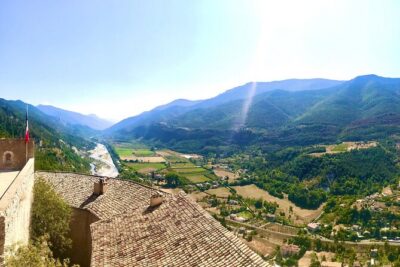 ★ 5.0Tour with the Mountain Train, Trek to Mystic Forest and CastleFrom $181101 reviews
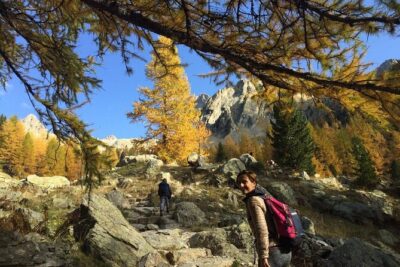 ★ 5.0Alpine Mercantour Lakes hiking French RivieraFrom $66017 reviews
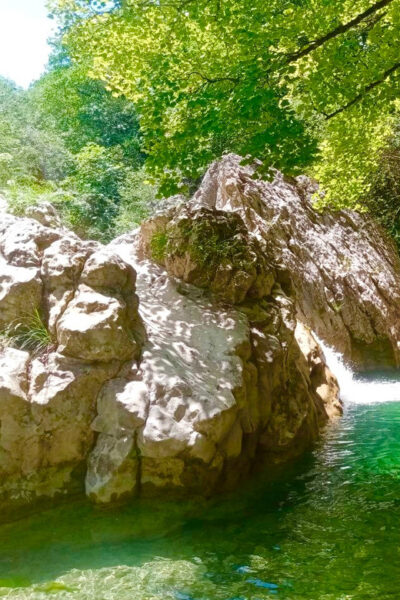 ★ 4.2Mountain Train Experience: Hike & Mystic Forest (From Nice)From $18812 reviews
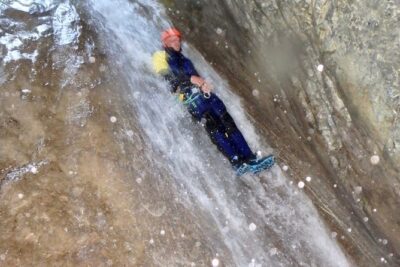 ★ 5.0La Maglia CanyonFrom $963 reviews
Browse the lists this tour appears in